

Effectively capturing, tracking, scoring and converting leads is vital to any marketing team. With the right technology and tech savvy, this process can be optimized.
Data and reports are only as accurate as the data input. Training and staying up-to-date with ongoing optimizations is vital to ensuring correct and accurate data. (Preventing GIGO — garbage in, garbage out). With the Google’s rollout of a new version of Google Analytics, I was quick to earn my GA4 certification.
I make it my mission to ensure accurate and transparent data reporting. Whether the source of truth is HubSpot, Marketo, Microsoft Dynamics CRM, Salesforce, Domo, Looker Studio, Power BI, or mix of tools, when it comes to email marketing and automation, it’s crucial that users adhere to compliance and follow best practices and standards.
This necessitates:
- Clear, concise, accessible documentation with established guidelines
- Education and training sessions for users
- Providing “on-call” support during and after deployment
Additional phases and steps include ongoing monitoring, evaluating effectiveness, and providing evolving processes, to name a few.
Lead Routing, Lead Scoring & Pipeline Mapping
I’ve played a pivotal role in aligning sales and marketing efforts by optimizing processes, streamlining workflows, and standardizing communication. Including:
Establish Company Verbiage
& Brand Guidelines
Standardizing language across the organization is essential for clear, consistent communication. It ensures alignment across departments, reinforces brand identity, and supports unified messaging.
Map Pipelines and Funnels
Using web analytics tools, I’ve visually represented and shared the stages through which potential customers move through the sales and marketing pipelines, including how they interact with the marketing efforts in the funnel. This is crucial for understanding and optimizing the customer journey.
Implement Lead
Scoring Systems
Lead scoring, a method of assigning values to leads based on their behavior, demographics, source, and other relevant factors, helps prioritize leads and focus efforts on those most likely to convert. By implementing a lead scoring system, we were able to strategically approach lead management and prioritization, while also enhancing our understanding of the pipeline (and growing the pipeline).
Document Lead Handling Processes
Quick, easy access to marketing and sales documents, graphics, and other key collateral is essential for sales and marketing efforts. I led the implementation of a Digital Asset Manager (DAM) to centralize these vital resources. Once organized, we were able to easily leverage valuable content like whitepapers, case studies, and brochures. Process documentation was also included, providing standardization and management.
Cross-functional Automated Cadences
By automating opportunity tracks, we saved time and resources, while increasing the lead conversion ratio by 28%. Sales and marketing align seamlessly when the full revenue team operates within a unified platform that provides essential resources based on business objectives.
Data Attribution Strategy Rollout:
Deploying a company-wide data attribution strategy required the planning, documentation, and training of the following components:

- Company-wide, standardized UTM implementation
- Governance and adherence to campaign standards
- Established naming conventions
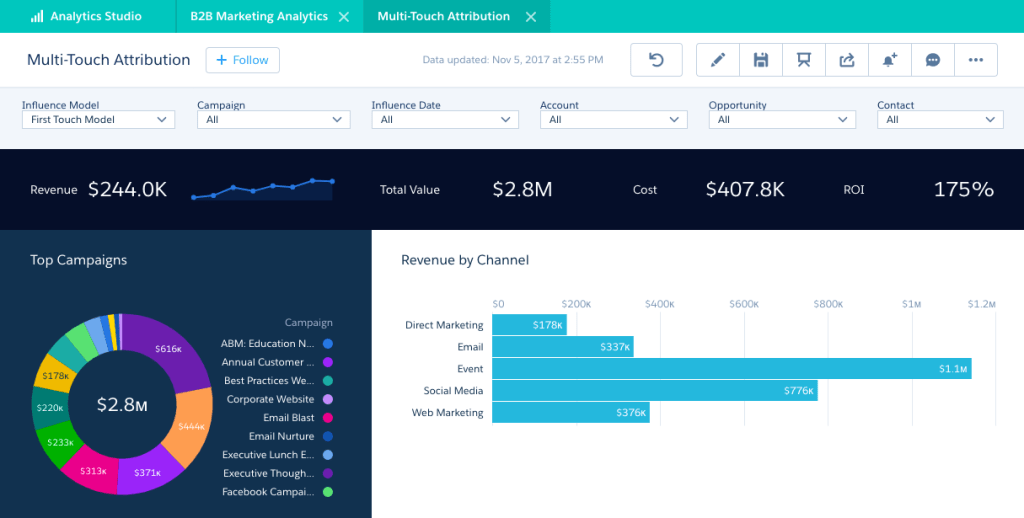
- Using string queries to track referral URL source and user journey for multi-touch attribution
- Lead tracking, lead routing, and enacting a lead scoring system
- Documented processes for handling leads throughout the pipeline
- Example of a campaign data tracking strategy
Tech Stack
Integrations, resource allocation, and Data Mapping
As the technology expert (SME) for HubSpot, Salesforce, WordPress, and other core technologies, it was my job to integrate new businesses, acquired through M&A, into our existing tech stack, understanding their unique needs and ensuring any additional or divergent technical functionality was provided.
I successfully integrated 16 companies into the organizational tech stack – guaranteeing that each new team had the training, documentation, and ongoing support to assure compliance to new processes. I relied heavily on education and relationship-building to build trust and gain buy-in.
This exemplified, to me, why it’s so vital that marketing operations (or revenue operations) has a high-level understanding of the tools in the company’s tech stack, and can collaborate effectively with all groups to understand stakeholder needs and user behavior. In order to make effective decisions that enhance and improve every department and team in a company, ensuring costs resources are allocated correctly, an inherent understanding of each piece of the puzzle is crucial.
Once decisions are made to integrate or migrate to new technology, data mapping becomes a core aspect of the project.
Correctly and efficiently mapping all data points marks the beginning of integrating and migrating business units into new technical platforms. It requires intense organizational skills, collaboration, open communication with the right people, deep research into existing technology, and a thorough accounting of business accounts and processes.
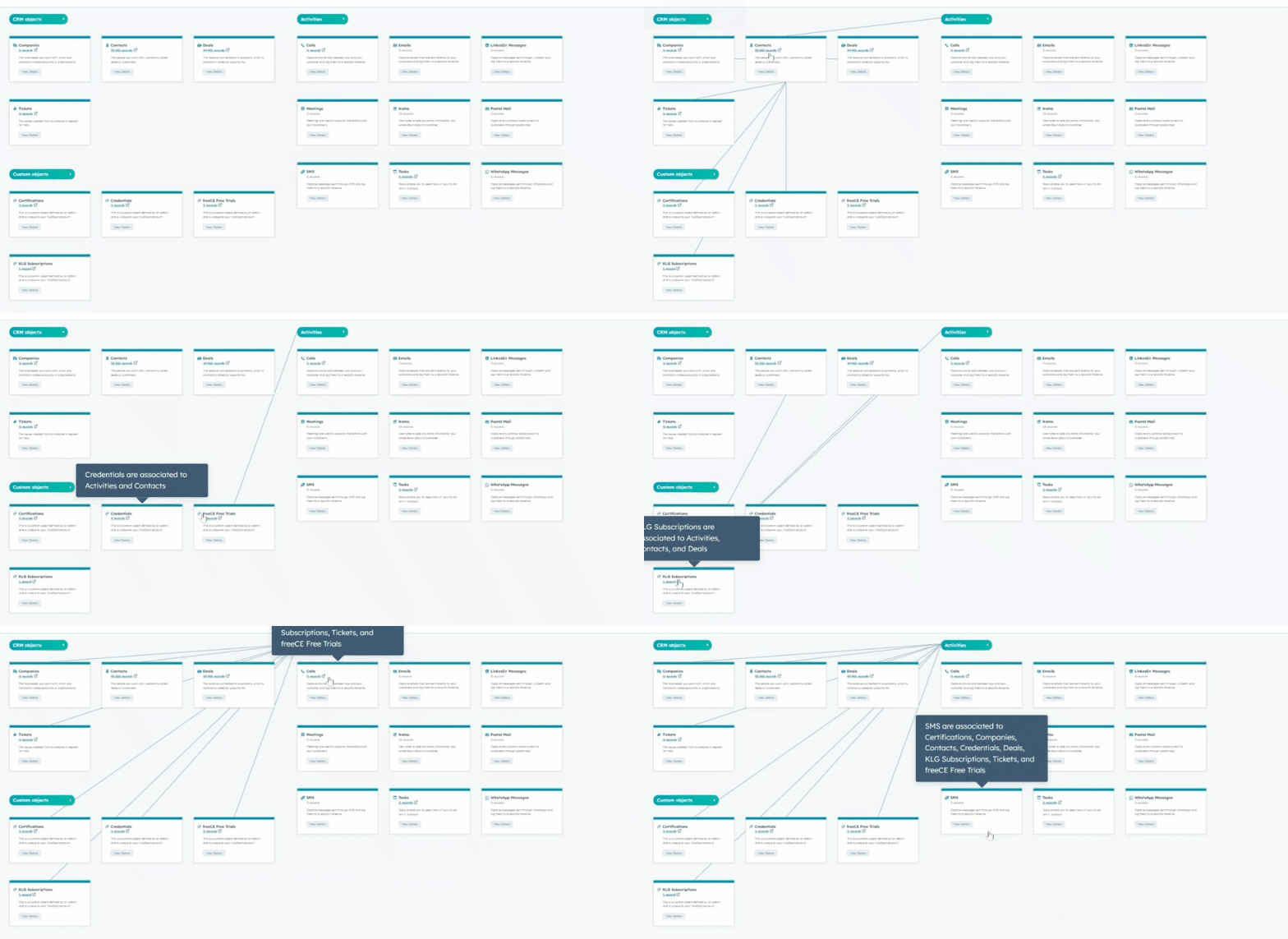
Through a process of discovery and auditing, relying on cross-functional collaboration, I found significant silos and technology overlap (contributing to our technical debt).
By consolidating accounts, spearheading a technical migration process, and deploying creative solutions, I was able to save the company approximately $100,000 per month.
Let’s connect!
Interested in learning more about my background, or scheduling a call? Let’s discuss how I can contribute to your organization!



























 Kate Khoury Portfolio