

Campaign Tracking
With the launch of new marketing campaigns, it’s vital to understand and track the performance so the marketing team can make strategic decisions. This is often used when working with paid media, as teams need to account for the money spent and show a return on investment or change strategies. But quantifying marketing performance across all channels helps allocate resources and understand the impact of marketing efforts.
I believe in the “fail fast” concept. Marketing is all about trying new strategies. But, if something doesn’t work, figure it out quickly and pivot, focusing on success and not dwelling on “failures”.
The concept and theory that argues businesses should adopt an aggressive and agile trial-and-error process to quickly determine and assess the long-term viability of a product or strategy, recognize that something isn’t going well, and make adjustments or move on to something else rather than investing years in a doomed approach.*
“Fail fast” means to test your assumptions and ideas as quickly and cheaply as possible, before investing too much time, money, or resources into them. By failing fast, you can learn what works and what doesn’t, and iterate on your solution until you find the best fit for your customers, users, or audience.
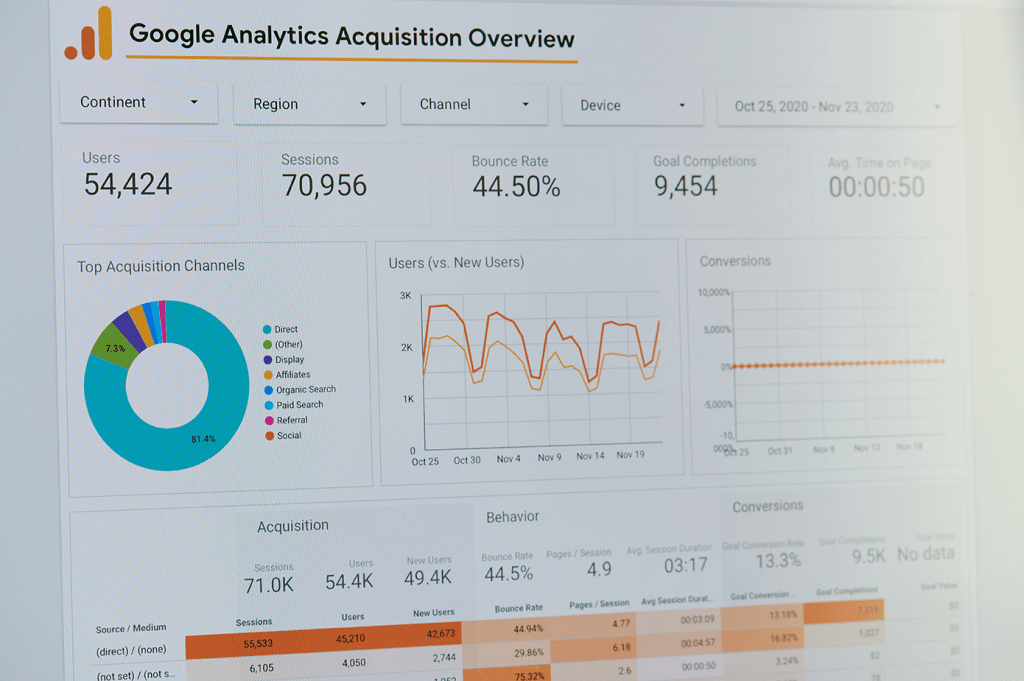
A key Marketing Operations role is to provide the necessary data to inform strategy on how a campaign is performing. I am experienced in performance tracking, providing key metrics and data interpretation, along with insights and suggestions for optimizations.
This following project outlines a basic process for establishing new campaign data tracking (in this case, webinars) with a focus on paid social and paid search spend and ROI.
Upon discussing the project with key stakeholders, understanding the goal and tactics involved, we collaborate to identify the KPIs vital to the campaign measurement. From there I present a tracking strategy. This can include training and detailed instructions for team members, if necessary.
In this example, the tracking strategy relied on UTMs for webinar registrations via on-page submission forms, comparing actual attendees and signups, number of touchpoints, A/B testing, cost per acquisition, and traffic source. I also included additional optional metrics, as well as ongoing suggestions to restructure the marketing campaign based on the data collected.
Data Tracking STrategy Breakdown:

Tools Used:
- Google Analytics
- Google Tag Manager
- Webinar registration software (Zoom, Zoominfo, ON24)
- Data Analytics tools (Google Analytics, CRM software)
- Data Visualization Tool (Power BI, Google Data Studio, Tableau)
For more information on this process and/or campaign measurement and tracking, please don’t hesitate to contact me.
Let’s connect!
Interested in learning more about my background, or scheduling a call? Let’s discuss how I can contribute to your organization!
















 Kate Khoury Portfolio