

I managed the tech stack for a company that was constantly growing, both organically and due to M&A. I was tasked with continually integrating and migrating new business units into the existing tech stack, training teams, and considering unique business cases that required creative solutions.
This required intense attention to detail, comprehensive auditing and information gathering, ensuring effective communication across various teams, project management skills, and the ability to distill complex, technical topics into easy-to-digest explanations.
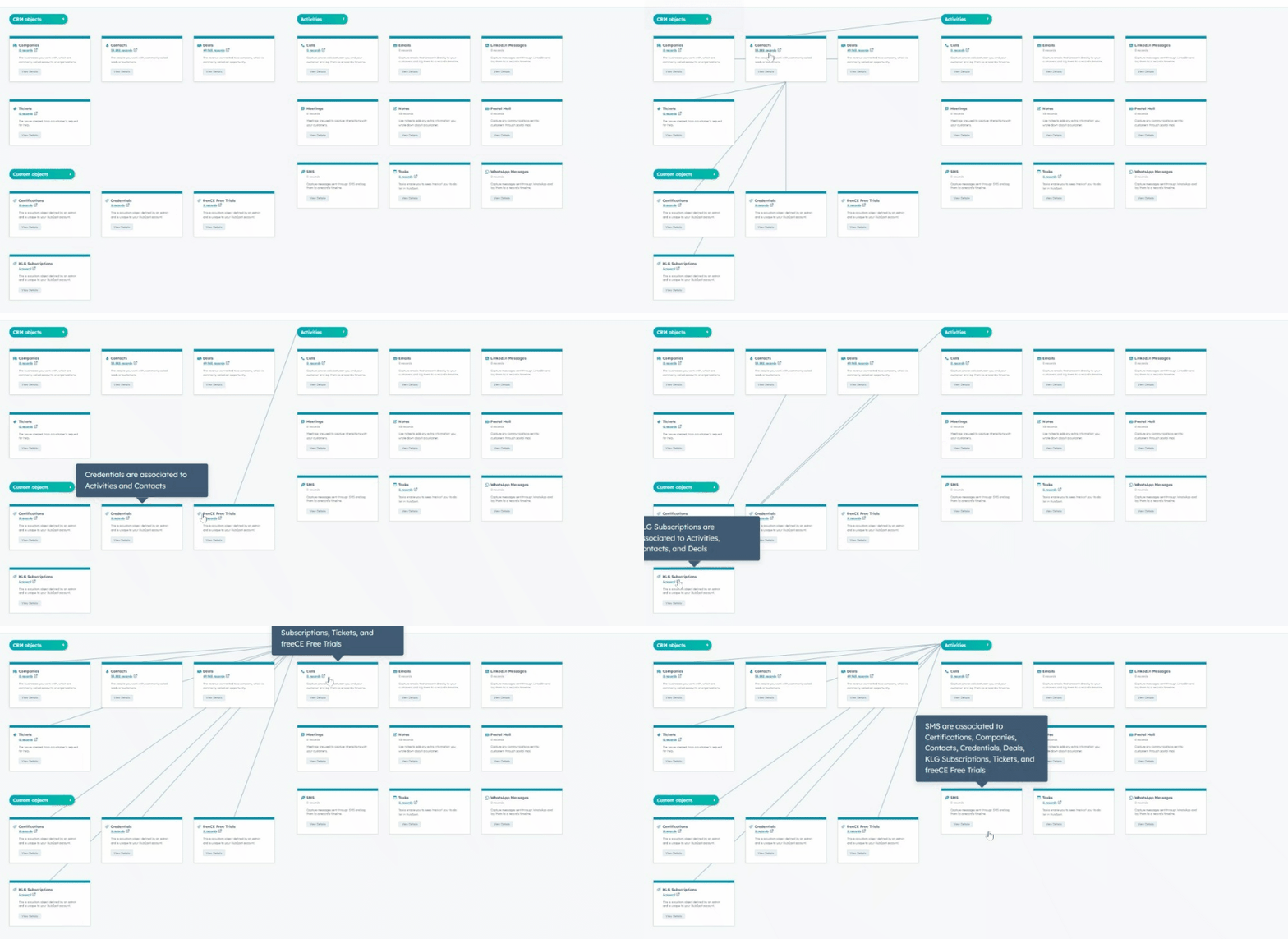
Technology Process: Implement & Migrate
Key aspects of integrating and migrating new business units into the tech stack included:
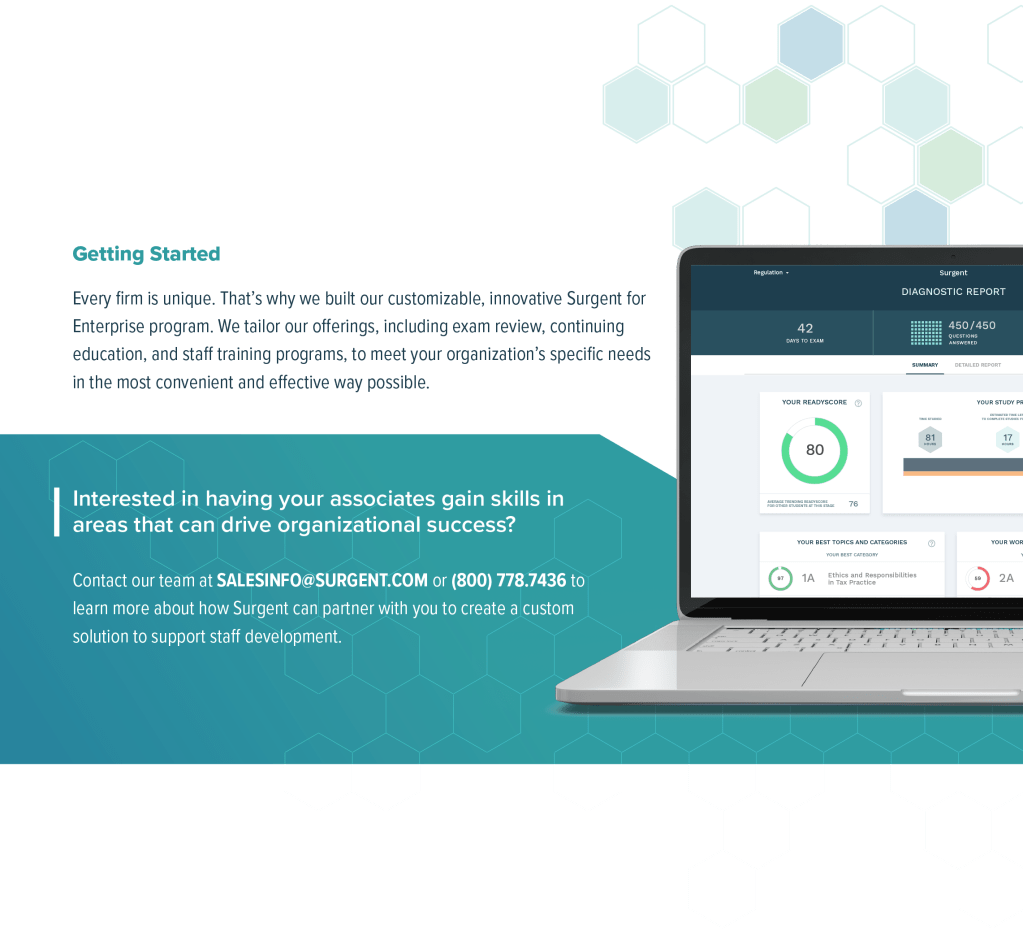
- Research best practices
- Develop SOPs (Standard Operating Procedures)
- Standardize information & processes, create templates when possible
- Create a knowledgebase & resource library for readily-accessible information
- Build automated, customized data reports and dashboards
- Provide ongoing training in tech use and best practices to affected teams
- Stay up to date on technology trends and changes
- Continuously optimize, improve, and grow account technology, with a focus on reaching business goals
- Monitor performance and troubleshoot issues – employ automation to encourage compliance
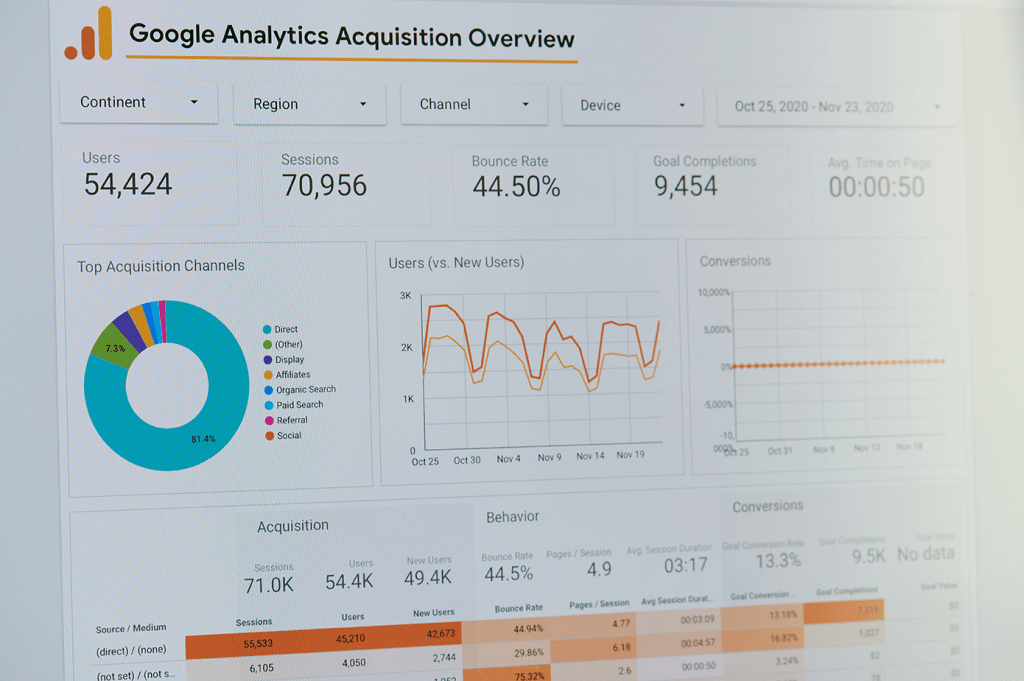
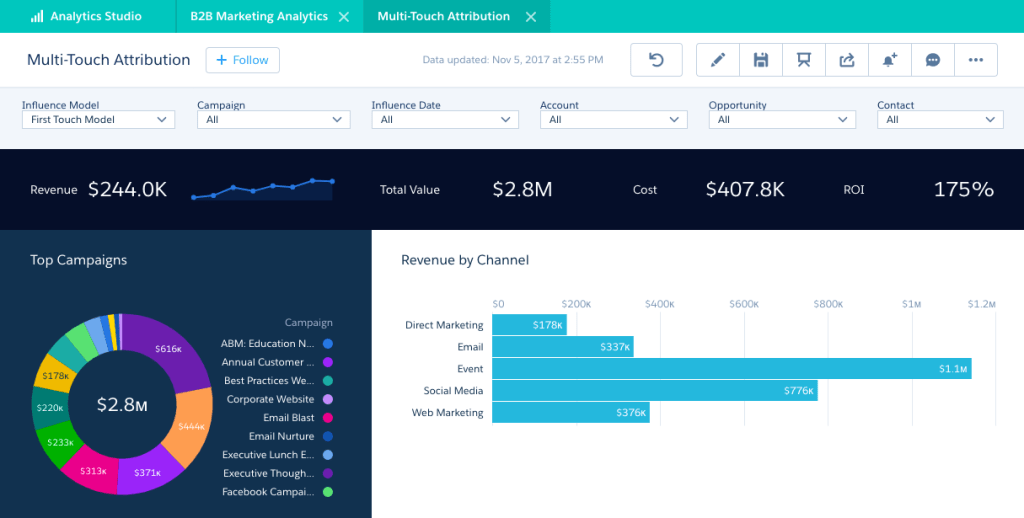
Additionally, I prepare a pitchdeck to outline the benefits and details of the technology upgrade. I use Google Analytics, Looker Studio, Domo, or another BI tool, to provide predictive and comparative data, including the return on investment and other relevant KPIs (AOV, ARPU, LTV). If relevant, I’ll focus on resource allocation and reducing personal time investment.
Automation & AI
Automation and AI are crucial for reducing inefficiencies, making best use of resources, and improving overall conversions/revenue.
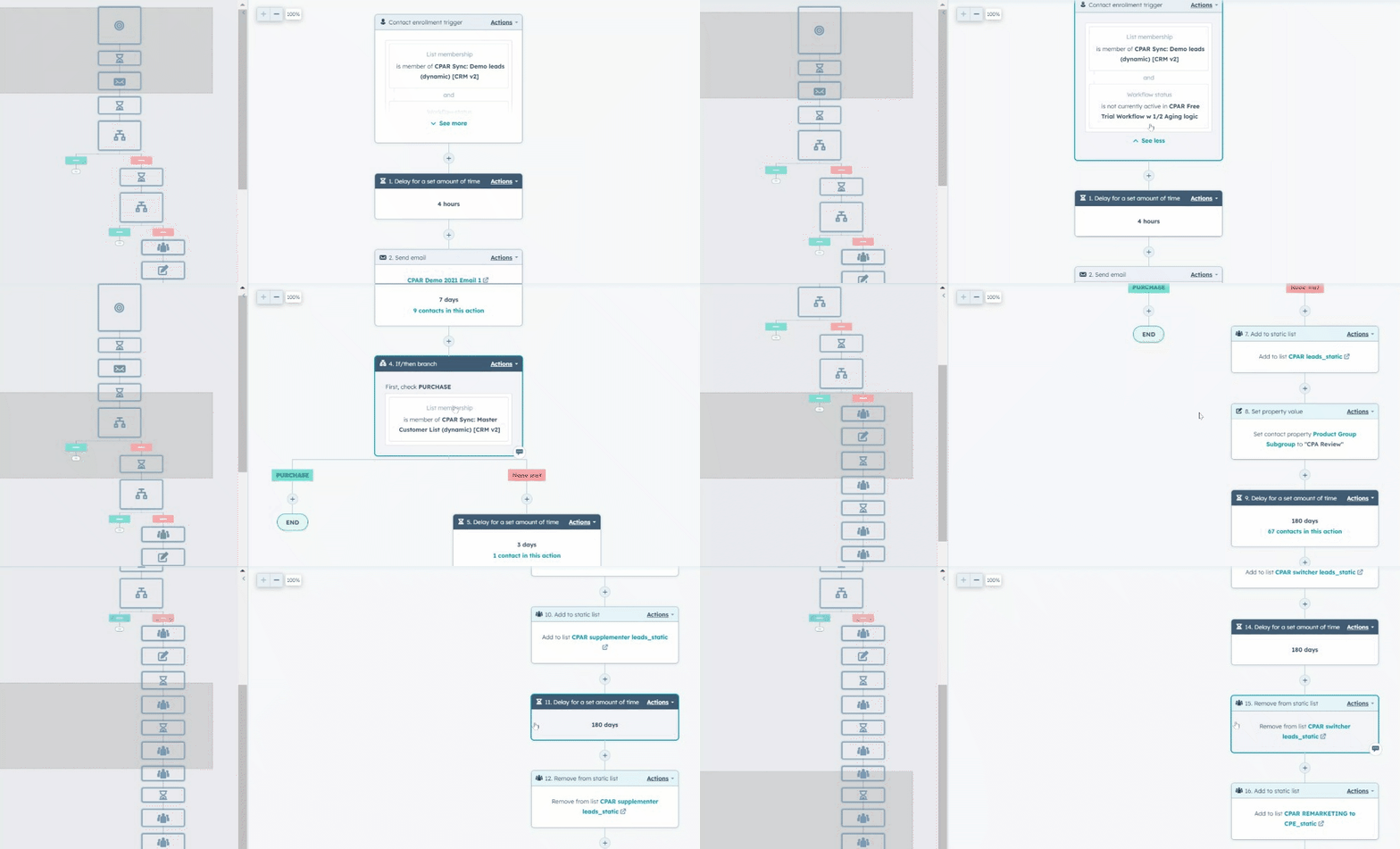
Automated Sales & Marketing workflows
Example: Lead magnet
Instance: User email is captured via a lead generation source and routed into an automated workflow comprised of phone calls and emails designed to propel them further down the funnel and/or convert.
Steps to create an automated workflow (general):
- Establish the cadence of communications
- Determine stage of purchase process – top, middle or bottom of funnel
- Establish activities within each action
- Create messaging and resources designed to engage, inform, and ultimately entice user to convert — engaging further with the brand and/or progressing through the marketing funnel.
- Highly tailored to the funnel phase & channel. B2C: I generally use phases of awareness, interest, consideration, conversion. B2B/B2E: TOF, MOF, BOF
- Resources provided in automated emails include whitepapers, case studies, demo videos, free trials, testimonials, checklists, and more.
- Include phone scripts for sales team, if applicable
- Create automated reports to track performance (benchmarking upon launch)
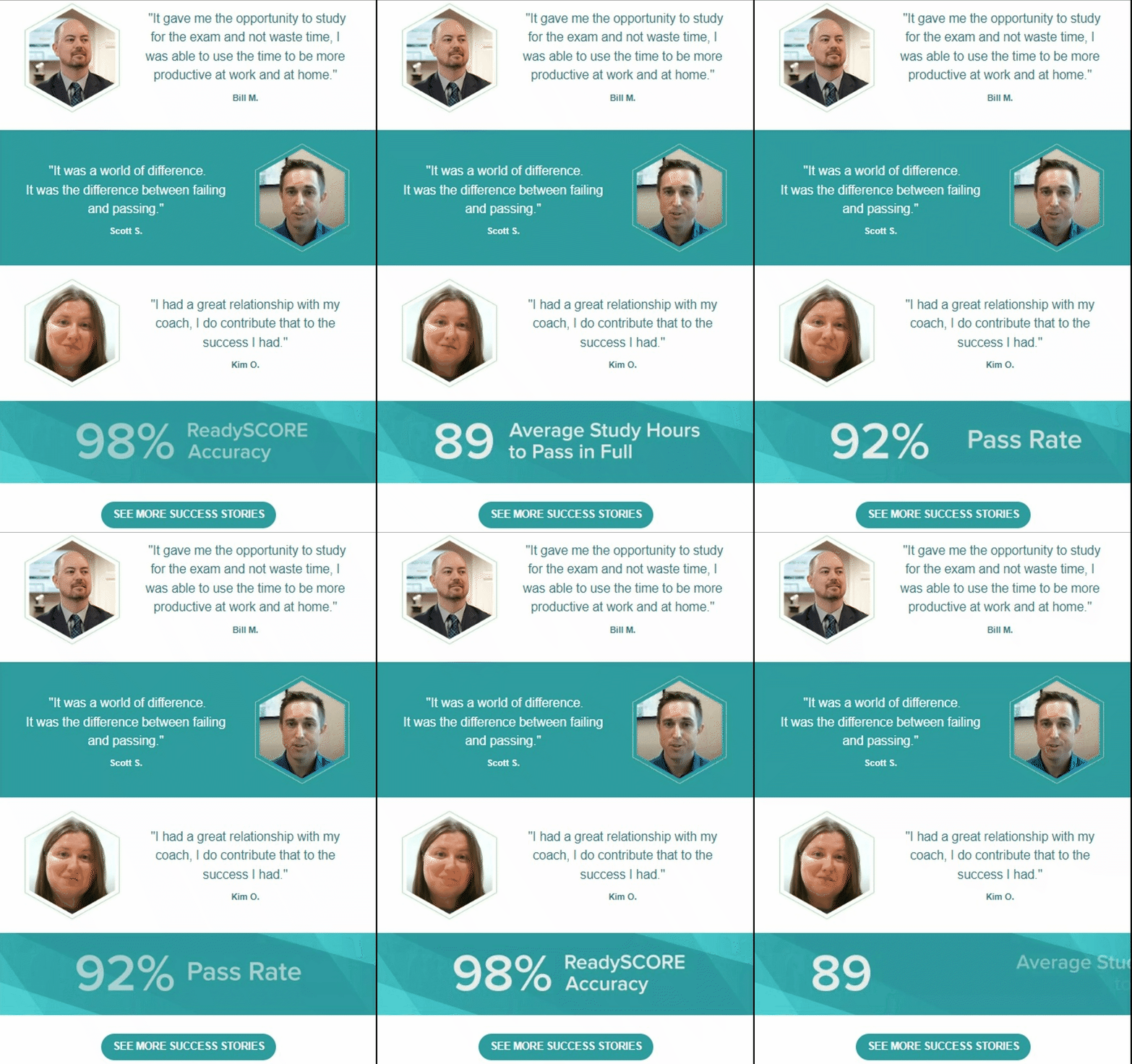

For users that are not at the bottom of the funnel yet (or ready to convert) provide value and build trust by sharing resources they’ll find useful.
Let’s connect!
Interested in learning more about my background, or scheduling a call? Let’s discuss how I can contribute to your organization!


























 Kate Khoury Portfolio